Last Updated on February 21, 2025 by Clark Omholt
Video game photography is an area of digital art that’s taken my attention lately. As a color professional with a longstanding interest in the graphical arts, I am intrigued by the concept of virtual photography.
So I went ahead and researched – what it is, how it’s done, what it actually means, and if it can rival actual photography.
Naturally, as graphics capabilities keep advancing with companies like NVIDIA and AMD constantly pushing for higher visual fidelity, video game photography is graduating from simple screen-grabbing to something more. Whether that is art or even photography is a topic of some contention, one I’ll be looking at here. But first, let’s begin with some definitions.
What Is Video Game Photography?
Video game photography, also known as gaming photography or virtual photography, is the practice and result of capturing virtual “photographs” within a video game. Typically, it involves screenshotting a particular moment in the game, either through the regular screen capture method on the respective device or through in-game photo modes, which are only available on some titles. The resulting images are then edited to match the artistic vision of the person taking the shot.
Video game photography is part of the larger virtual photography category which includes all forms of images captured on a computer.
What Is Virtual Photography?
Virtual photography is the practice and result of taking screenshots within any virtual world, be it a video game or otherwise. To put it simply, all video game photos are virtual photos, but not all virtual photos are video game photos. For example, other types of virtual photos can be seen in real estate, 3D design, videography, cinematography, and more. However, for the most part, the term virtual photography is used to mean images captured within video games.
The true heart of virtual photography is freezing in time a unique, unrepeatable, millesimal moment in a game played by millions of people for billions of hours.
Emanuele Bresciani, Virtual Photography and Arts
So Wait, Is It Truly Photography?
Technically, not exactly.
If we’re to follow the definition, virtual photography would not qualify as photography because it’s typically not captured by the action of light on an optical sensor or film. In many instances, this optical sensor is itself virtual, simulated in the game world, such as NVIDIA’s Ansel which many games employ to offer the “Photo Mode” option to players.
However, virtual photography seems to be a term that has stuck. Even the games themselves use the term “photo.” So maybe it’s time to expand the definition to include virtual images.
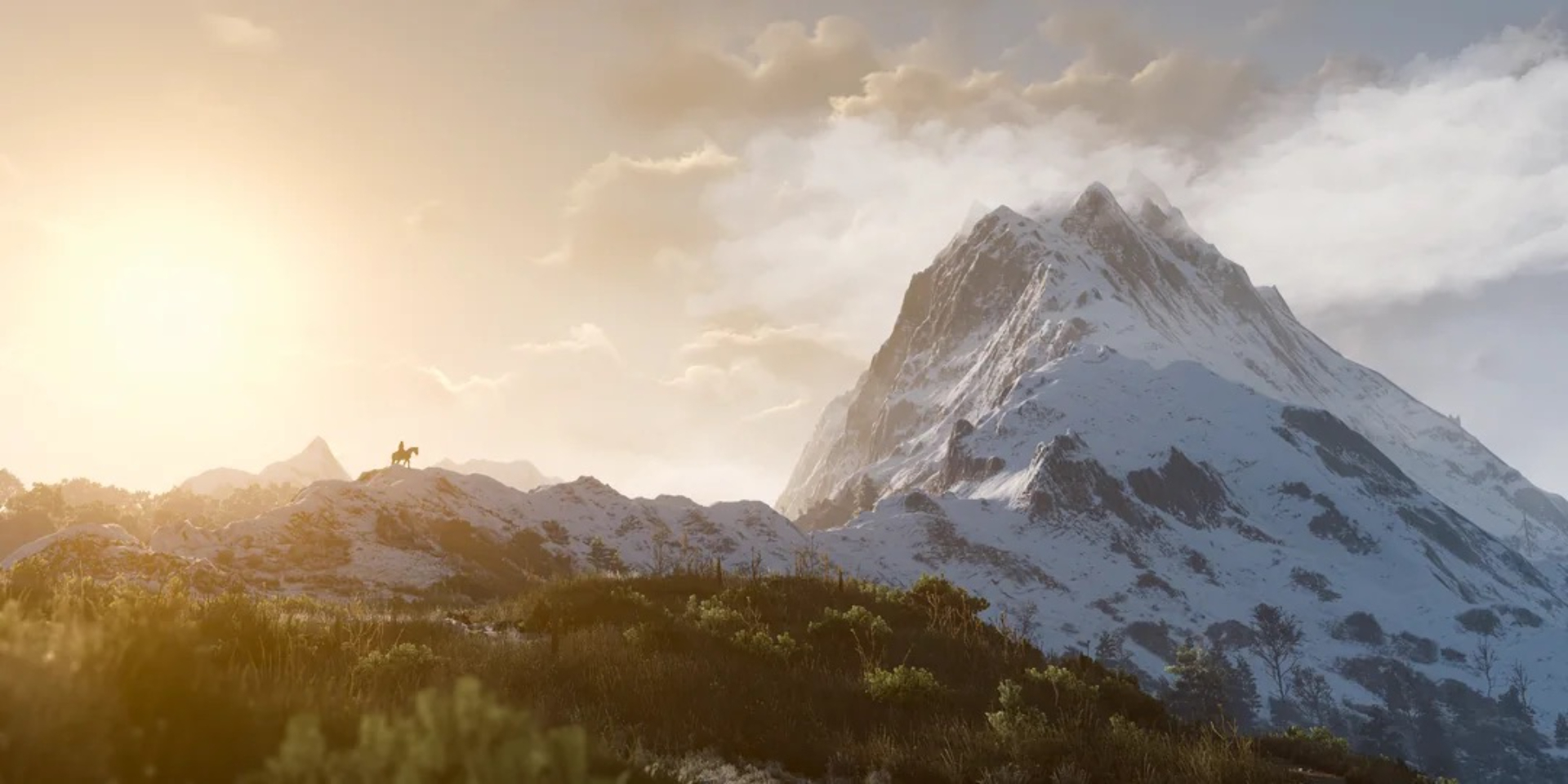
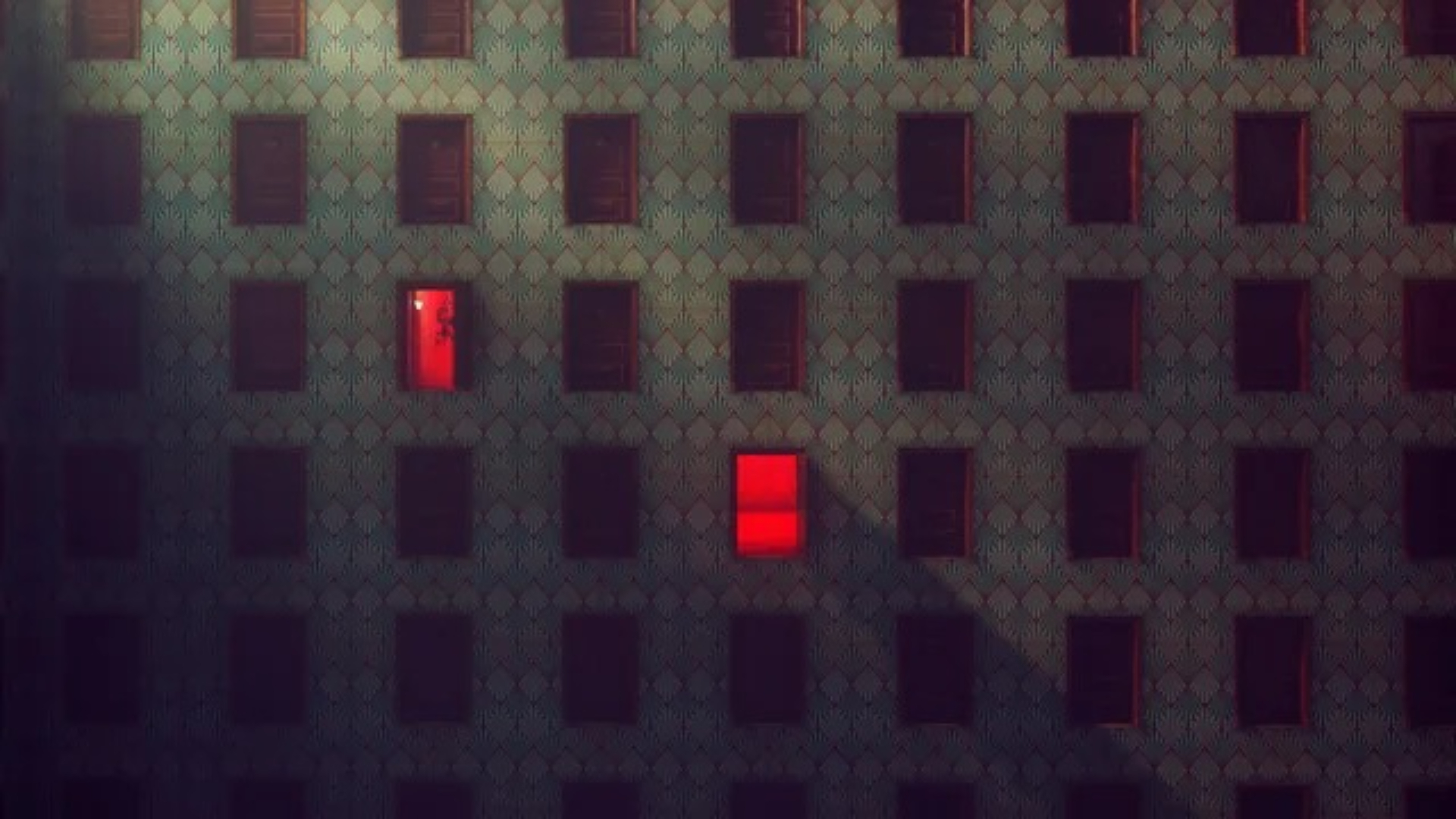
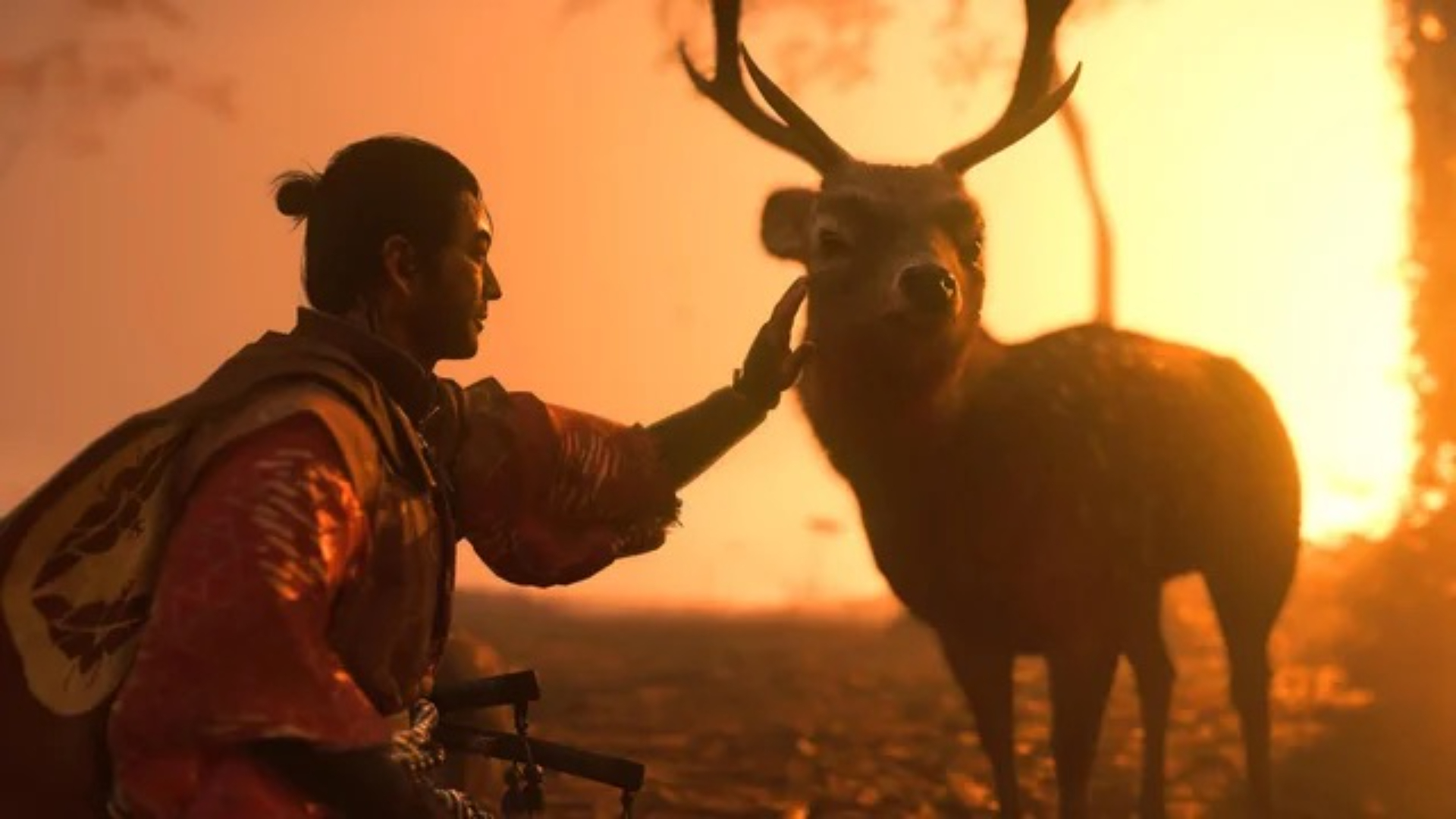
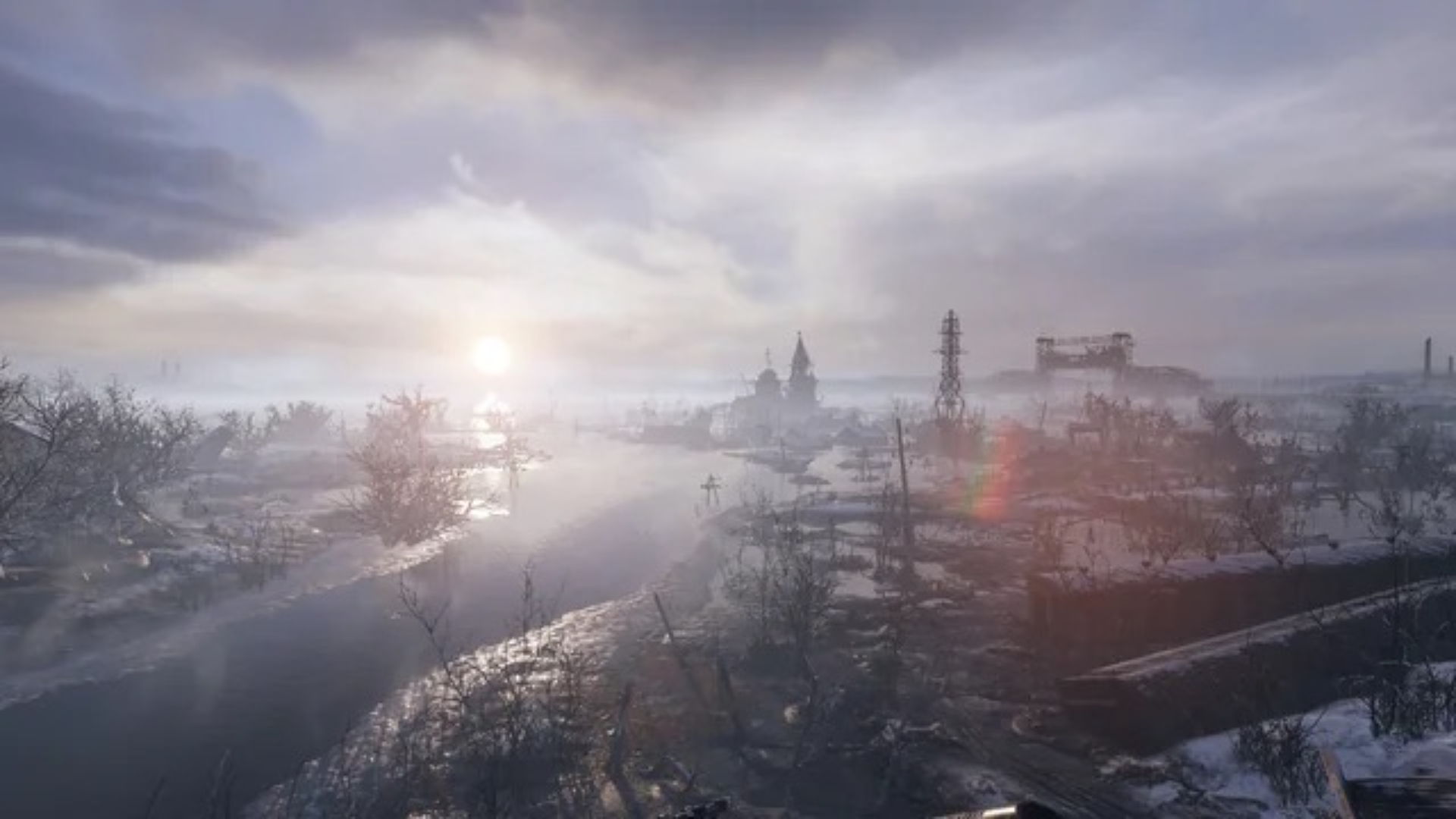
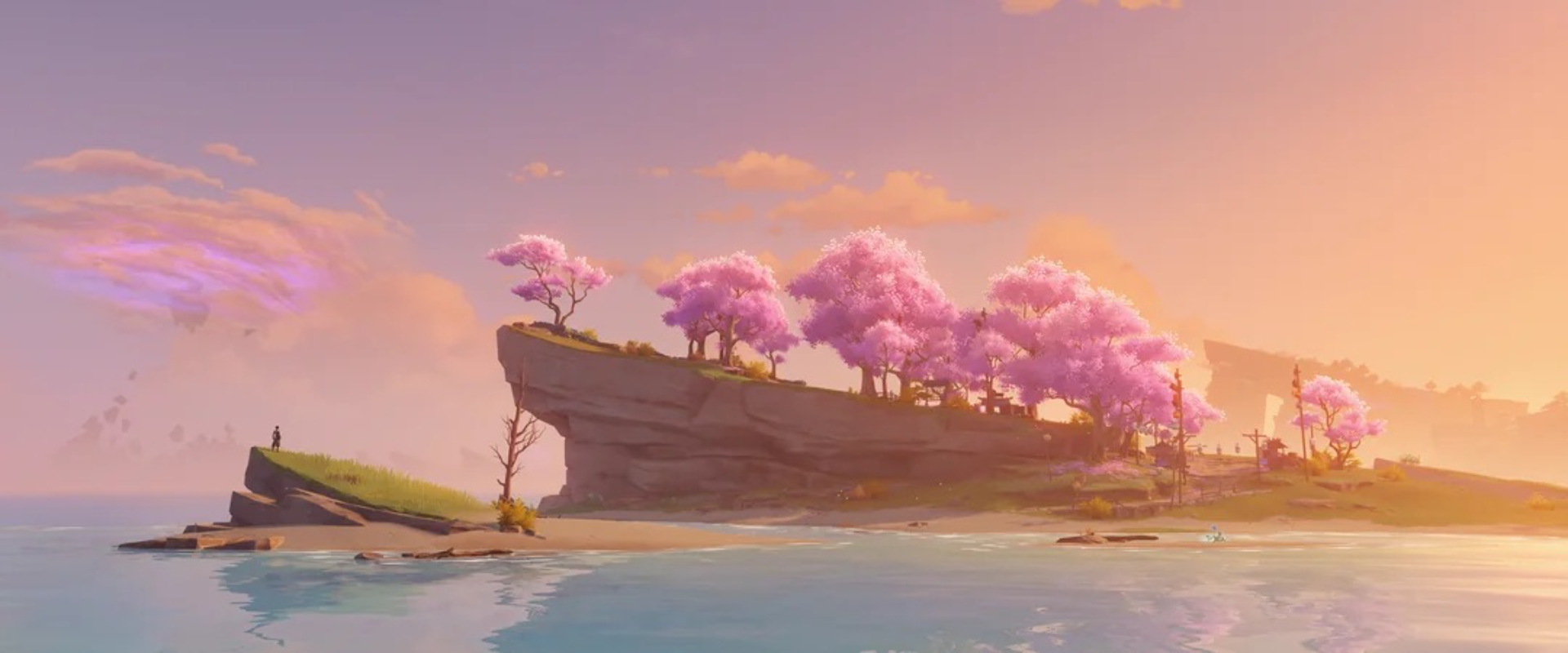
Selection of the best video game photographs from r/VirtualPhotographers and r/gamingphotography. Credit to Underl3veled (1 and 5), Takedaiori, Wicked-Death, and ClackityCat. Games in order: The Witcher 3, Control, Ghost of Tsushima, Metro Exodus, Genshin Impact.
Is Virtual Photography Art?
Moving onto the most debated topic as it relates to video game photography: is it art?
To answer that, we would have to know the true definition of art – about which many have argued for millennia. But by most definitions available today, human creativity and imagination are always mandatory, as is the power to stir up emotions in the observer.
The more I look at virtual photography in video games specifically, the more I can clearly identify three directions that are sufficiently distinct as to warrant their own definitions.
- Basic screenshots. When someone decides to capture a particular moment in a video game on the fly, with no artistic vision and simply in order to keep that singular moment for posterity. One day these will be looked at as fond memories – just like regular photography.
- Graphics showcase. Gamers undeniably like to show off. Many online spaces exist where people who have impressive and expensive gaming setups showcase the level of graphical fidelity they can achieve. Is it art? – it depends, but it can be for some, and it doesn’t mean there can’t be a creative vision behind a shot.
- Artistic photography. Lastly, we have the virtual photographs that actually have a creative vision behind them and are meant to trigger strong emotions in the viewer. More often than not, artistic gaming photos are edited (in game or in 3rd party apps). The result is often visually appealing and fascinating.

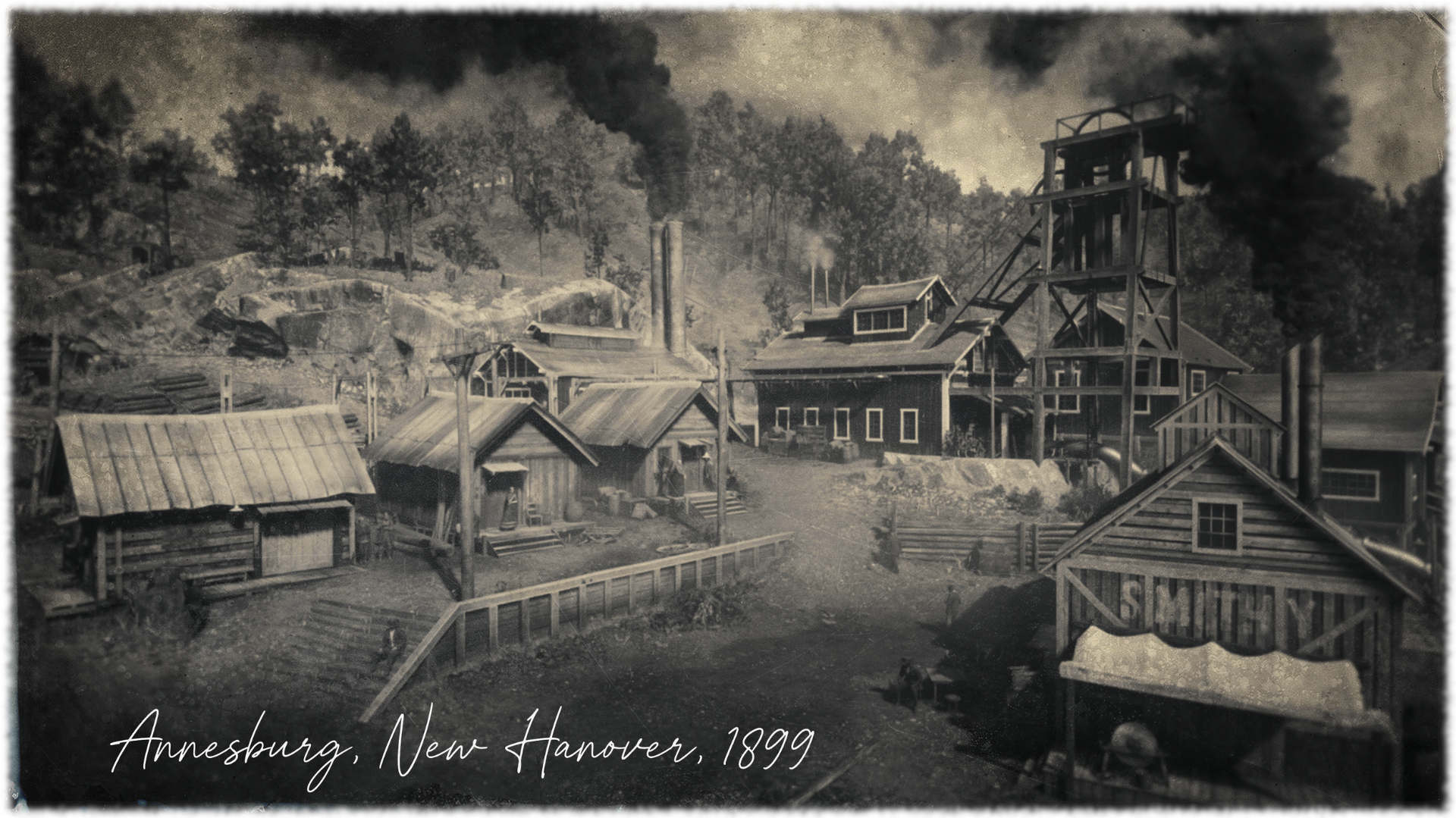
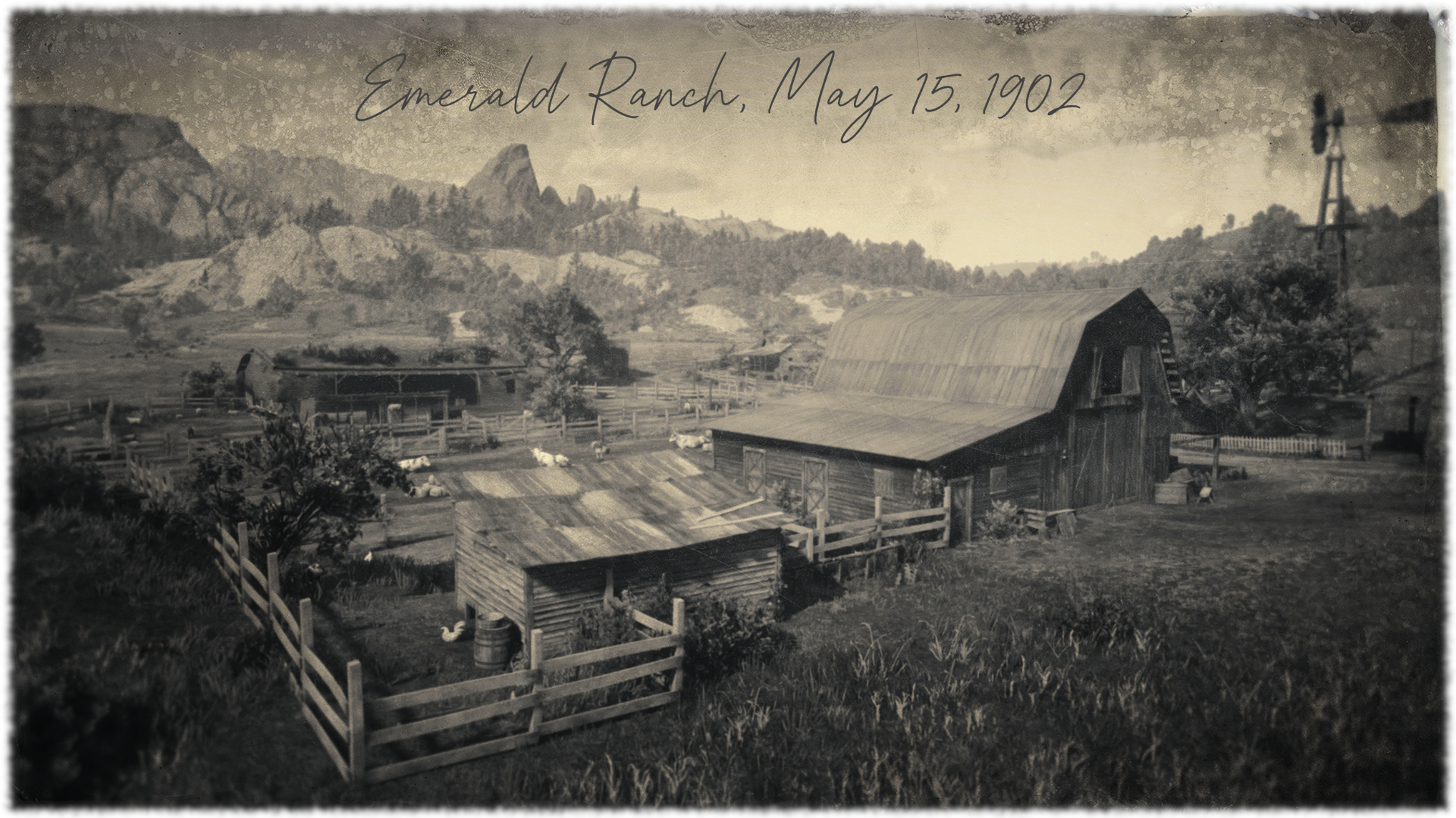
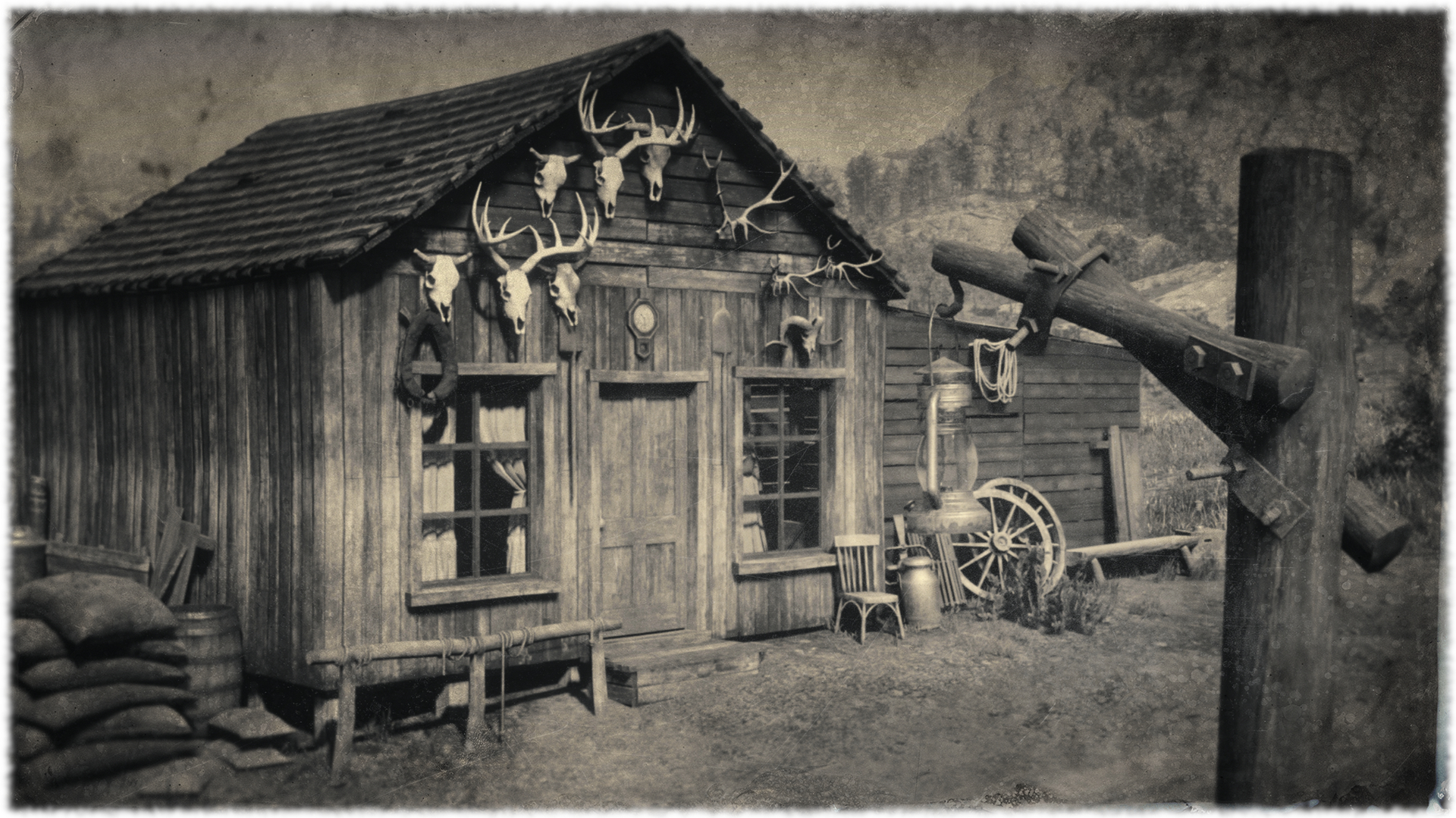
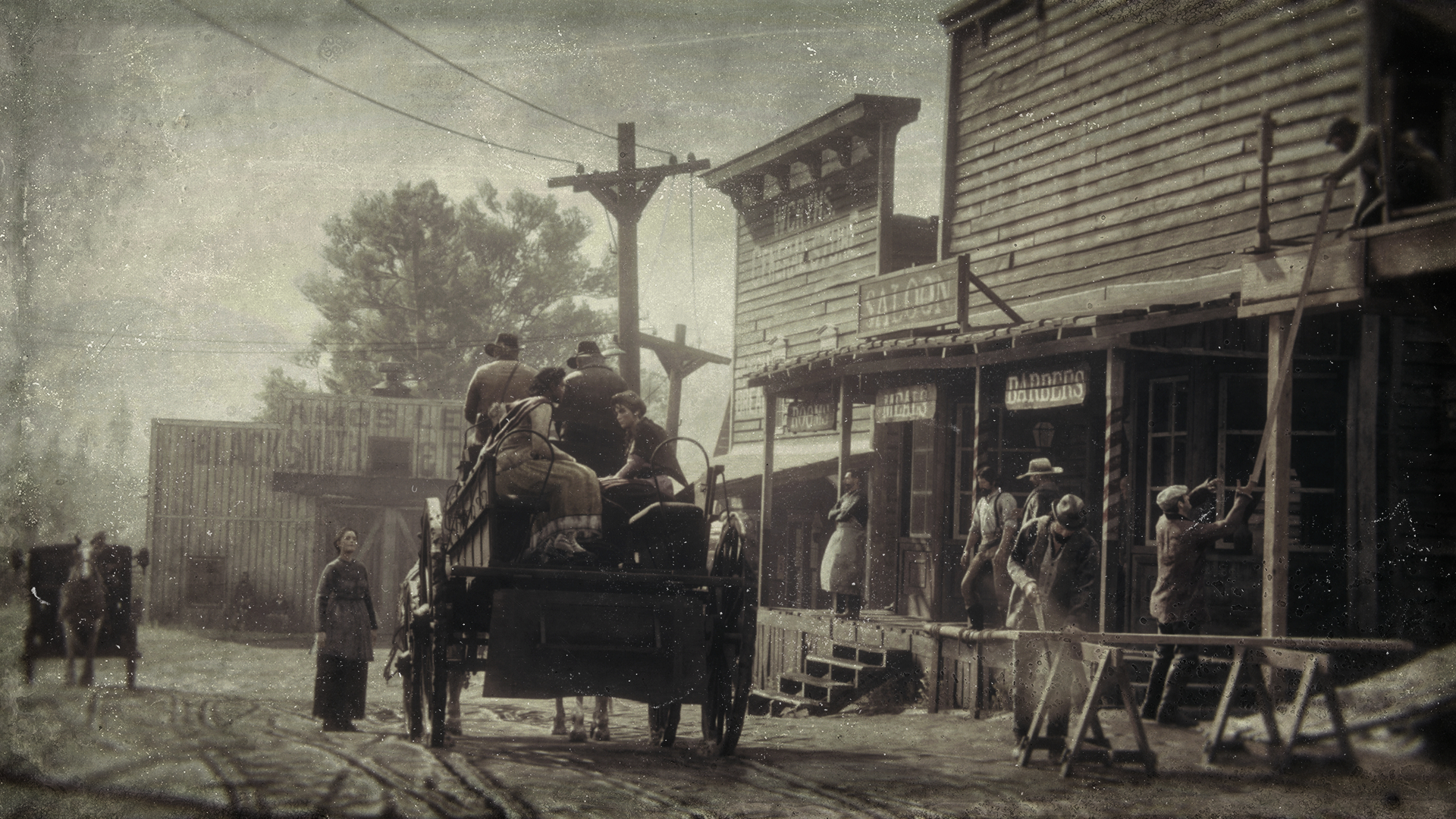
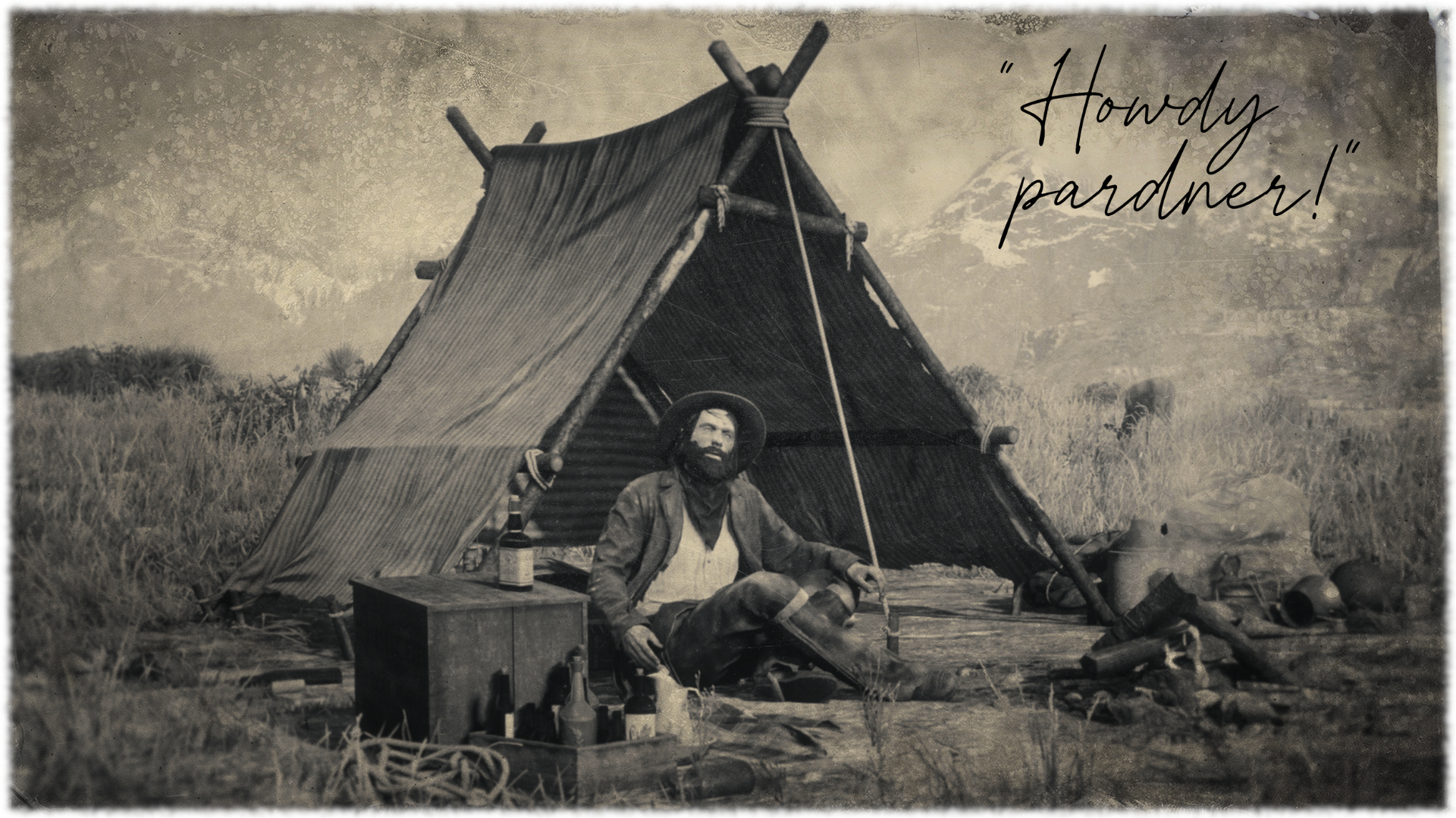
Selection of video game photography taken from Red Dead Redemption 2. Credit: Emanuele Bresciani.
So is video game photography art? I’d say any video game photograph that elicits an emotional response from the viewer is art for that viewer. Certainly, a good deal of video game photography is undeniably artistic, just as some video game photography is show-offy, kitschy, or has bad composition. But the same can be said about regular photography.
So if we go by these standards, there’s nothing to differentiate virtual photography from real-world photography as what can be said about one, can be said about the other. Both imply imagination and creativity, both are not always art, and both have the potential to elicit an emotional response for the viewer.
In-game photography definitely can be and often is art. In some games, it’s very analogous with real life photography. The best screenshotters are usually at least hobbyist photographers in real life and have a good understanding of light, color, composition and all the fundamentals of photography that they then apply to their screenshots. But at the same time, pressing the PRINTSCREEN key and capturing the full gaming overlay (health, points, map, in-game chat, etc) can be less artistic. But the same can be said for real world photography. There are photographs that are art and then there are pictures of your grandmother trying to blow out the candles on her 90th birthday cake.
Hasgaha, Virtual Photographer
How Does Virtual Photography Work?
Virtual photographers are able to control most elements that make up a short, and often leave a personal imprint in the form of an artistic vision. To better understand virtual photography, we have to look at its specific components:
- Virtual Cameras. Video game photography in photo mode works by simulating a camera eye within the digital world that is unable to collide with most 3D elements (except the player character, typically). Games using NVIDIA’s Ansel can even capture RAW images using ILM’s OpenEXR format. Typically, players have complete freedom in using this eye – choosing between a first-person view, a free camera view, and even being able to select a virtual “focal length” in some cases.
- Resolution. One element that distinguishes photography from your typical screen capture is resolution. Virtually all cameras can capture imagery at a higher resolution than the typical screenshot, and this is often needed for producing good quality prints, for instance. With video games however, it’s often not possible to screenshot at a higher resolution than the screen on which the game is being played. However, there have been advances in this area, particularly with software tools such as Ansel which allow players to capture images with super-resolution (up to 33x 1080p) and in HDR.
- 3D Elements. If a video game has the photo mode option, they often also allow the player to add or remove 3D elements – such as the player character itself, their companions, and their items. Developers like Bethesda also make most of their 3D assets movable through their in-game physics engine. This means players can pick up nearly any object they like within the world, place it wherever they want, and thus stage complex shots.
- Creativity and Artistic Vision. Virtual photographers can get particularly creative and artsy – imprinting a very specific direction on their photo sets. This practice can lead to complex cross media projects. For example, one can combine photography, videography, and writing in a study of Feudal Japan based on Ghost of Tsushima, or Greece’s Peloponnesian War based on Assassin’s Creed Odyssey, to name just two examples.
- Environmental and Lighting Edits. Gaming photo modes also often allow players to change the time of day for their photo, along with a few other lighting controls and sliders. Some even let you select the exact position of the sun and / or moon. Imagine if you could take a location and move it across the world at will, settling on the place with the best lighting for your shot. That’s essentially what some games allow you to control. Note that properly-calibrated monitors are essential for virtual photographers to make the correct lighting edits.
- Post-Processing. After taking their photo set, virtual photographers typically go through a full editing workflow just like a regular photographer.
Common Challenges of Video Game Photography
Virtual photography can seem easy to the general public – after all, you’re just taking a screenshot, right? Well, as I’ve learned, it can be more complex than folks realize.
- Unwieldy in-game camera. In some video games, the camera mechanics in photo mode can be particularly difficult, leading to a lot of frustration in trying to line up the shot perfectly.
- Poorly-timed shots. Some games don’t have photo mode, which means virtual photographers have to jump over hoops just to get the shot, sometimes almost literally. In other cases, jumping into photo mode freezes the game environment in a particular moment – whether that’s what the photographer wants is another question. If it’s not, the shot may be lost forever or they may have to attempt to “re-stage” it.
- Limitations of the GPU. While many video game photographers have high-end gear, not all of them do. Given that PC components, notably GPUs, are getting more and more expensive, fewer gamers can afford to capture the highest visual fidelity a game engine can achieve.
- Limitations of the game. Some game worlds can look cartoonish – that can often be on purpose, or because the game is older. Still, these photos can have a certain charm.
- Uncalibrated monitors. Monitor calibration is something many gamers are discovering right now. Calibrating your screen is vital to capturing accurate colors, otherwise your screenshots will look wildly different on other devices. Fortunately, it’s quite easy to complete a calibration with an app like TruHu.
- HDR color mismatches. Due to the nature of Windows color management and the many apps that can control your color profiles, it’s very easy to achieve an HDR profile that looks fantastic. But take a screenshot and send it to someone and it shows up entirely wrong – it’s entirely too common. The solution? Use the HDR color calibration tool in Windows 11 in conjunction with a TruHu calibration.
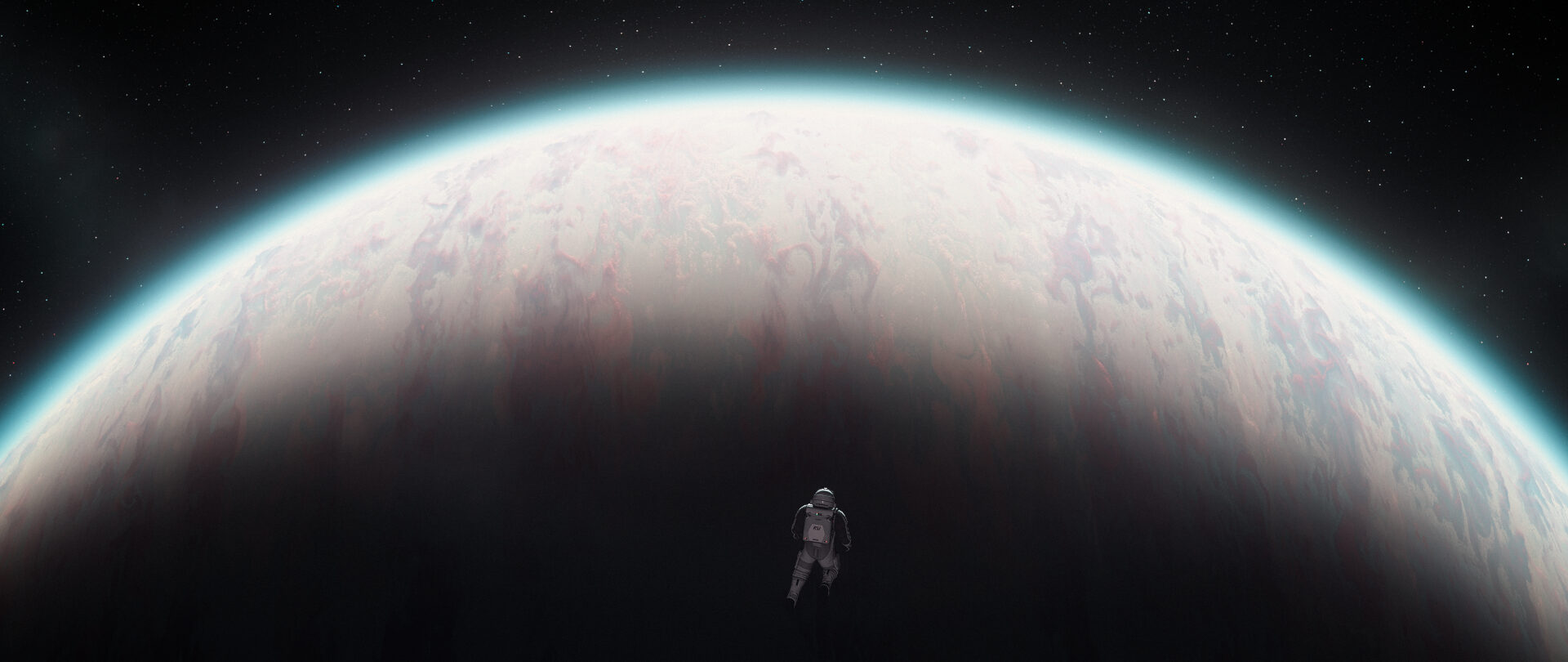
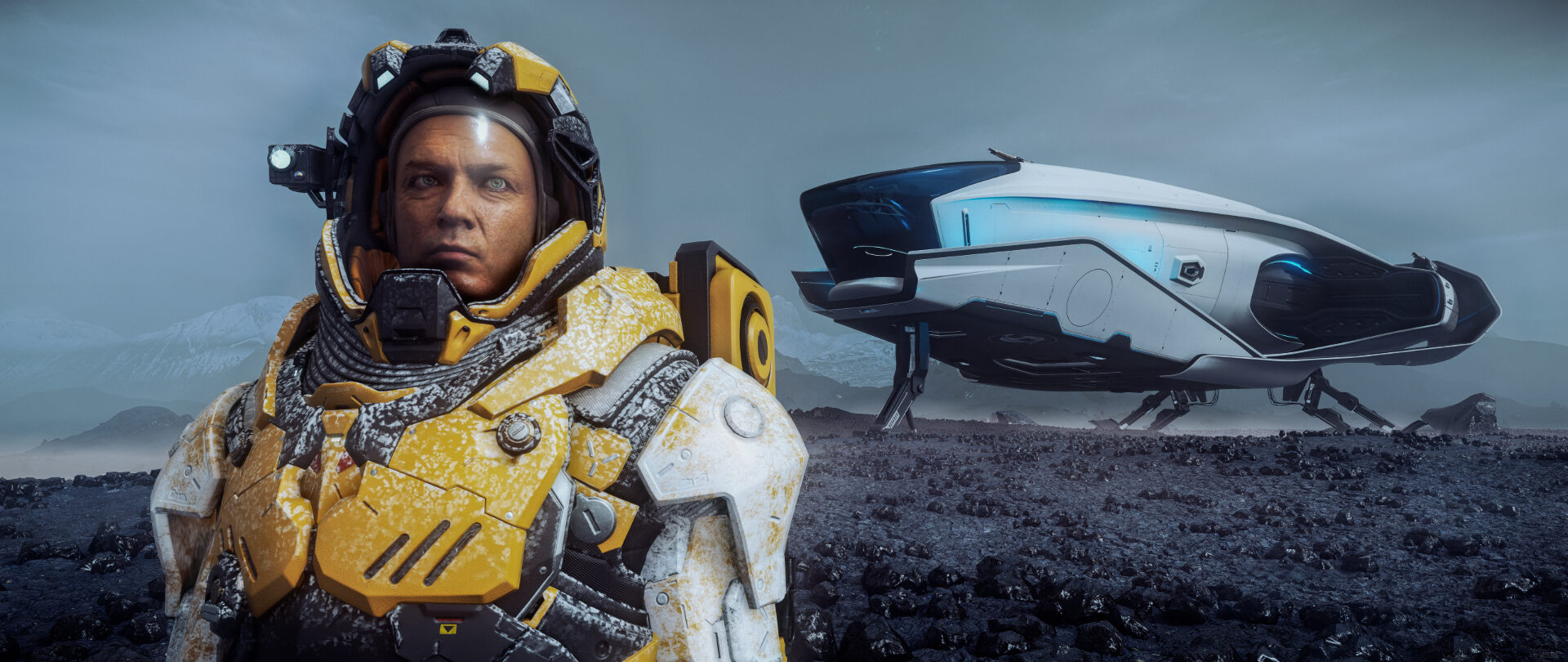
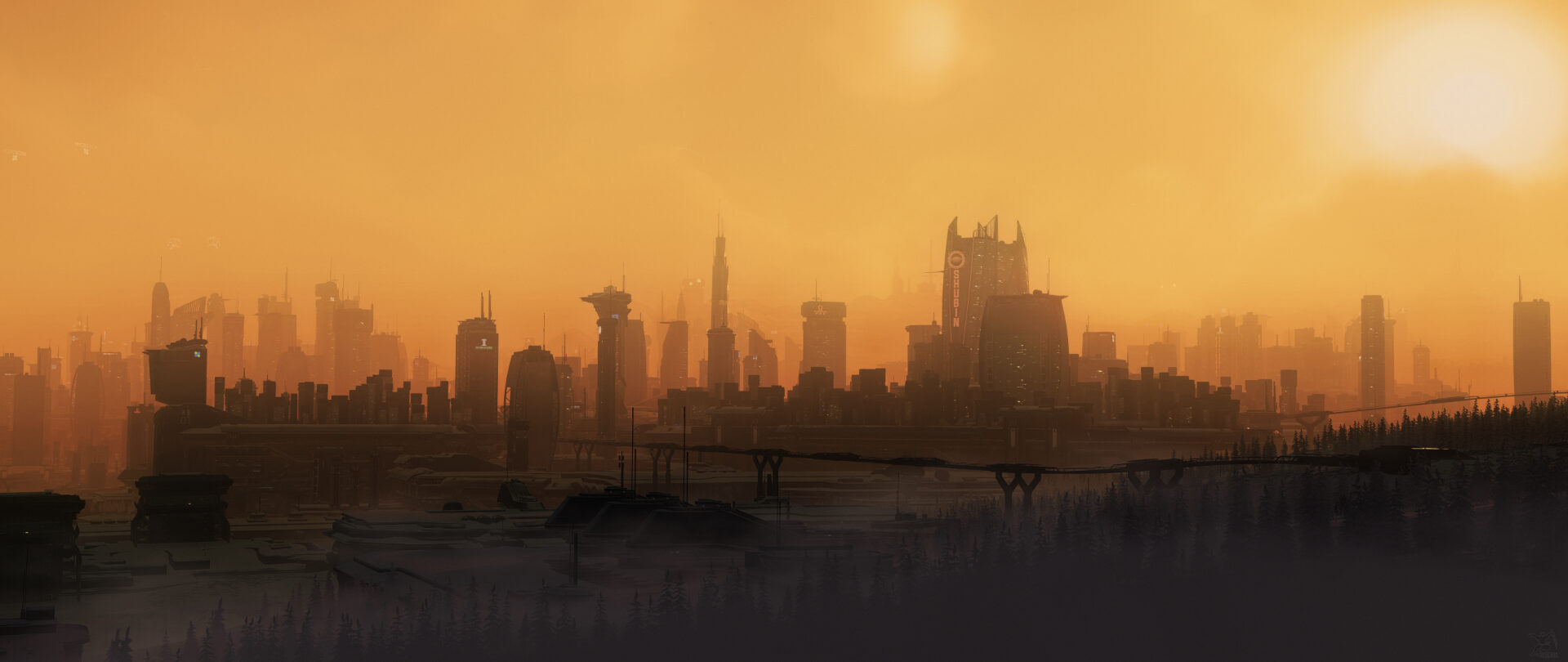
Selection of video game photography taken from Star Citizen. Credit: Hasgaha
How To Start in Video Game Photography?
To get started in video game photography, you’ll need the following:
- A decent gaming setup – that means a good PC or console along with a good monitor, all with optimal settings for graphical fidelity while in-game.
- A good monitor calibration tool – to bypass any color accuracy issues. You can use Windows’ builtin calibration tool, a professional colorimeter, or the TruHu app.
- A decent photo editing software – such as the free version of Adobe Lightroom, GiMP, or any other photo editing tool you like.
- (Optional) Your preferred screenshotting app – that can be the NVIDIA App, AMD’s Software, or any other 3rd party tool (like Otis_Inf) that can take screenshots (for instances where the game doesn’t feature a photo mode).
Is Video Game Photography a Job?
Video game photography isn’t necessarily a standalone job function, but it can be a small, additional revenue stream for many amateur virtual screenshotters. Most share their content on Instagram or other social media platforms. Occasionally, virtual photographers also have the opportunity to compete for awards, like the Virtual Photography Awards.
To learn more about what it’s like to work in this space, I’ve asked Hasgaha, one of the virtual photographers featured above, about his experience collaborating with media outlets:
I wouldn’t say I’ve worked with news and media outlets. I’ve been featured and interviewed by outlets like PC Gamer and the New York Times in the same way you are asking to use my images and answers here.
Hasgaha, Virtual Photographer
I have collaborated with Cloud Imperium Games (Star Citizen developer) and other companies, groups, and people within the Star Citizen community over the past 10 years. Those collaborations have all gone well but being a freelance graphic designer, I’m no stranger to this sort of work.
As with any line of work, the best place to start is honing the skill, building a portfolio, and meeting people to get your name out there. In-game photography has really exploded over the last 10 years. More companies and players are taking it a little more seriously and both sides are seeing uses for it. So there are more opportunities than ever before to apply this rather niche skill but there are also more people trying to do just that.
Conclusion
Video game photography is an emerging visual art process, and its results are increasingly artistic and visually stunning. Yet, not all video game “photos” are art – some are meant to be more mementos, moments in time captured by the player that will one day make a fine photo album reminding them of their experience with emotionally impactful games over the years (such as RPGs like Cyberpunk or Baldur’s Gate 3). And even that, in itself, can be artistic through its nostalgia.
I’d end by saying there’s no need to gatekeep and be so strict about what is and isn’t art. Virtual photography can rival the most impressive real-world photos, and that’s a testament to the work of the people building those virtual worlds and to those capturing them.
If you’re a virtual photographer, or want to start capturing digital moments, be sure to try out our monitor calibration app for free to ensure your colors are accurate.
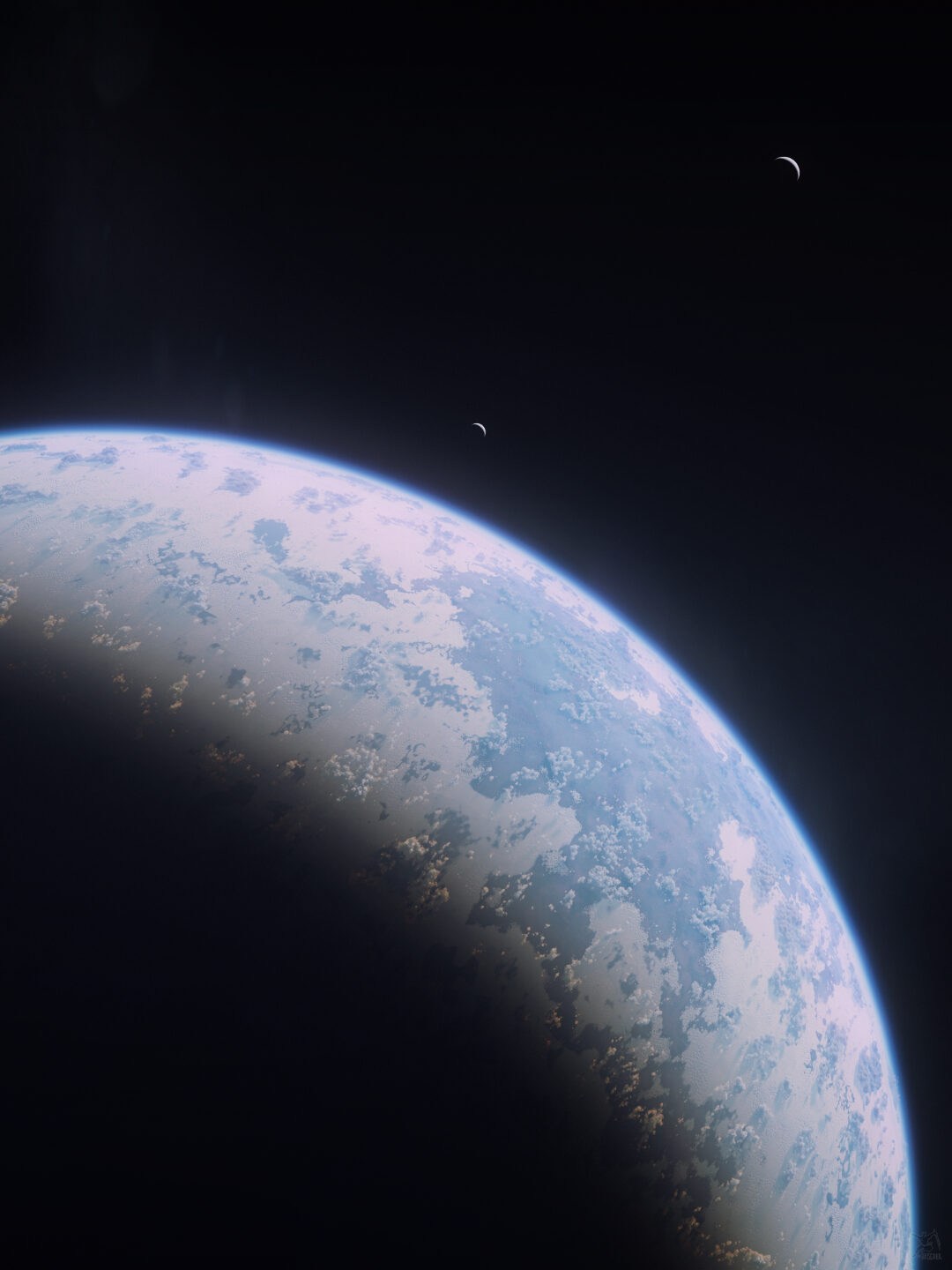
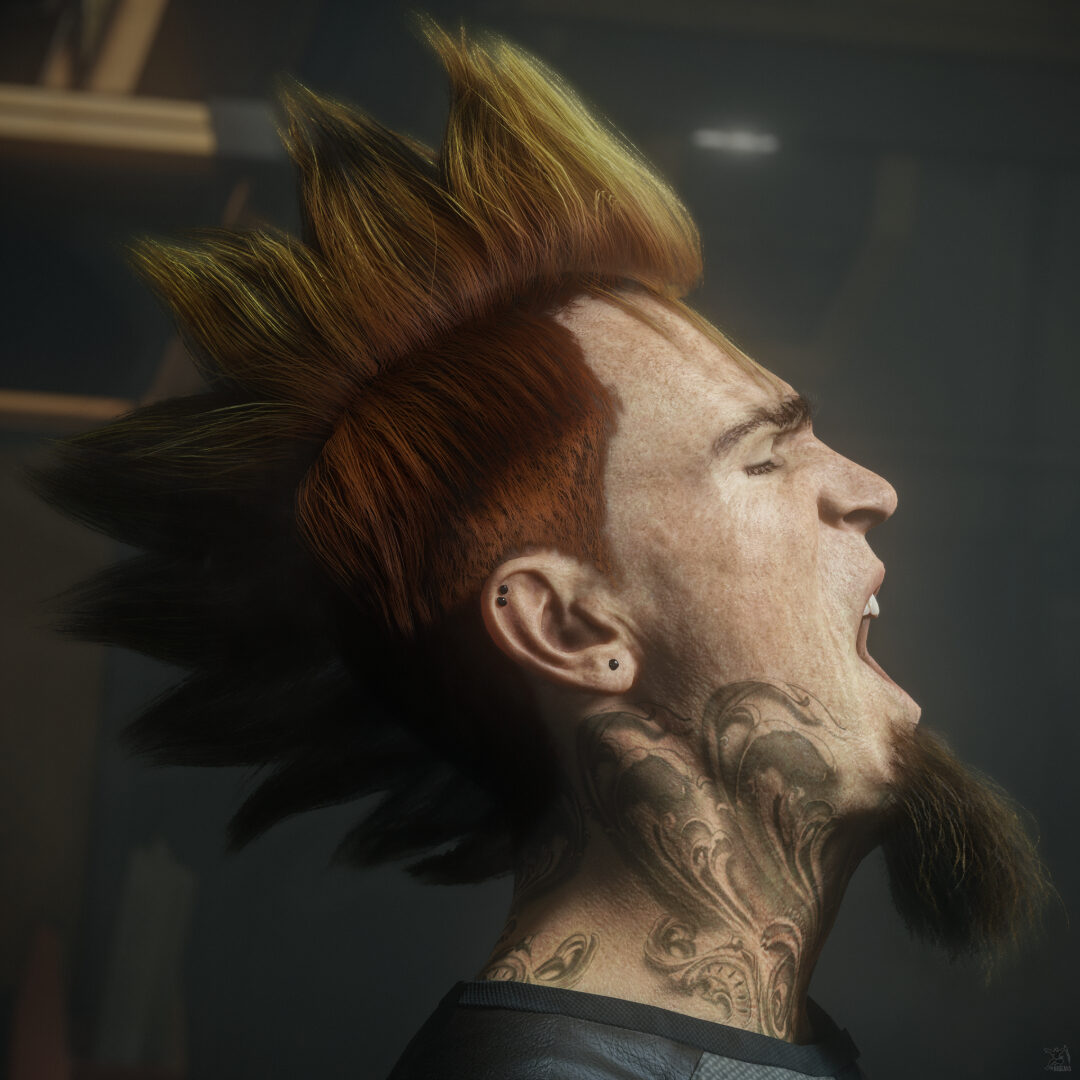
Selection of video game photography taken from Star Citizen. Credit: Hasgaha Note: article featured image also by Hasgaha.